
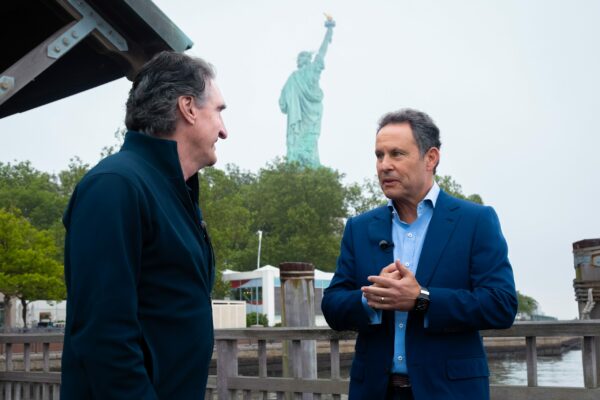
Tensions surrounding upcoming negotiations with Iran took center stage Friday morning, as Fox News host Brian Kilmeade voiced concern over how the conflict could conclude, urging a firm approach as the United States prepares for another round of diplomacy.
Speaking on Fox & Friends, Kilmeade reacted to remarks from Fox News senior strategic analyst Jack Keane, who expressed confidence in President Donald Trump ahead of planned peace talks with Iran and Pakistan. Those talks, set for Saturday, are expected to be led by Vice President JD Vance.
Kilmeade’s message was blunt: “We can’t let it end the way it is now,” he said, signaling concern that any agreement falling short of U.S. expectations could leave unresolved tensions in place.
Keane, a retired four-star general, struck a more measured but still hawkish tone, insisting that Trump would not settle for a weak outcome. “He is not gonna make a bad deal,” Keane said, adding that the president understands the nature of the adversary he is dealing with.
The conversation quickly turned to the strategic importance of the Strait of Hormuz, a critical global shipping route that has been at the center of recent tensions. Keane downplayed concerns about isolated attacks, suggesting the U.S. military has the capability to secure the waterway and ensure safe passage for commercial vessels.
“I know our forces can open up that strait and protect the ships going through it,” Keane said, pushing back on what he characterized as overblown fears surrounding drones and missile threats. “We know how to do this. It’s not that big of a deal.”
Kilmeade took the argument a step further, questioning why adversaries should retain control over access to such a vital corridor. He suggested that allowing Iran to dictate terms in the region amounts to tolerating coercion, arguing that the United States has the power to change that dynamic if it chooses.
Keane also floated the possibility of escalating measures if tensions persist, including quarantining Iranian ships in the Gulf of Oman. While emphasizing his belief in the potential for a favorable deal, he warned that military options could remain on the table if diplomacy fails.
“We may find ourselves having to go back to military operations and finish this once and for all,” Keane said, referencing what he described as the sacrifices already made.
Still, the discussion underscored a broader dilemma facing policymakers. While confidence in American military capability remains high among some voices, the prospect of renewed operations carries its own risks and uncertainties—particularly after an already costly conflict.
Kilmeade closed by noting that the outcome of the talks will be closely watched, reinforcing the stakes at hand. As negotiations approach, the balance between securing a strong agreement and avoiding further escalation remains a central challenge.
For now, the message from some corners of the conservative media is clear: any deal must be measured not only by what it achieves, but by whether it prevents the need for yet another round of conflict.
[READ MORE: Trump Adjusts Ceasefire Terms After Netanyahu Call as Iran Deal Faces Confusion]