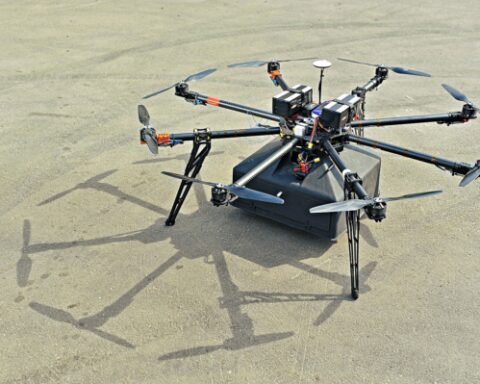
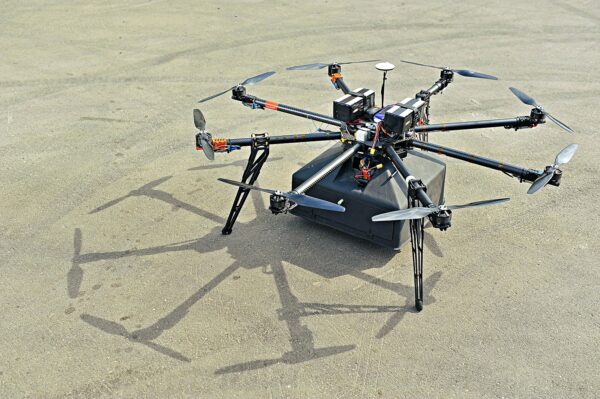
The Federal Communications Commission announced Monday it is now expanding its “Covered List” to include new foreign-made unmanned aircraft systems, including drones and key components, citing what it described as “unacceptable risks to U.S. national security.”
The decision follows a Trump administration review that concluded foreign-produced drones could be used for unauthorized surveillance, data theft, and even disruptions to critical systems, posing a threat to homeland security and undercutting the domestic drone industry. Officials said the risks are especially acute given how widely drones are now used by government agencies, first responders, and private companies.
The move aligns with President Donald Trump’s executive orders aimed at restoring American airspace sovereignty and boosting U.S. drone manufacturing. The administration has made clear it wants to reduce reliance on foreign — particularly Chinese — technologies and strengthen domestic production in a sector viewed as strategically vital.
The timing is also significant. The FCC’s action comes ahead of major international events set to take place in the United States, including the 2026 FIFA World Cup, the nation’s 250th anniversary celebrations, and the 2028 Summer Olympics in Los Angeles. Officials say airspace security concerns will be heightened during those events, making the integrity of drone technology more critical than ever.
The updated Covered List includes Chinese drone makers DJI and Autel, along with all other foreign drone manufacturers. Under federal law, the FCC cannot act unilaterally and must base such decisions on determinations from national security agencies under the Secure and Trusted Communications Networks Act.
Once equipment is placed on the Covered List, it is barred from receiving new FCC equipment authorizations. That effectively blocks new drone models from entering the U.S. market. The FCC emphasized, however, that the action does not apply retroactively. Existing drones that were previously authorized can continue to be used, sold, or traded by consumers and retailers.
U.S. officials framed the decision as both a national security and economic necessity. FCC Chairman Brendan Carr praised the move and signaled the agency’s intent to work closely with domestic manufacturers. He said the FCC would partner with U.S. drone makers “to unleash American drone dominance,” echoing the administration’s push to rebuild critical industries at home.
The Cybersecurity and Infrastructure Security Agency also weighed in, encouraging organizations to use the updated Covered List as part of their broader risk management and regulatory compliance strategies. Officials said the list provides a clear framework for identifying equipment that could pose security concerns.
China’s Foreign Ministry criticized the FCC’s decision, calling it an excessive use of national security justifications and accusing the U.S. of discrimination against Chinese companies. DJI also expressed disappointment, arguing that no public evidence was released to support the determination.
Despite those objections, U.S. lawmakers and national security officials applauded the move. Rep. Rick Crawford of Arkansas welcomed the decision as a long-overdue step to protect American interests. Sebastian Gorka of the National Security Council also praised the action, saying drones critical to U.S. defense and security should be “made in the USA.”
Supporters argue the FCC’s move sends a clear message that the United States will no longer allow potential adversaries to dominate key technologies tied to surveillance, data collection, and airspace control.
As drones play an ever-growing role in both civilian and military life, the administration says safeguarding that technology is essential to protecting the country and ensuring American innovation leads the way.