

Former Rep. Matt Gaetz (R-Fla.) is urging caution as tensions rise in the Middle East, warning that sending American troops into Iran could carry serious long-term consequences for the United States — both economically and strategically.
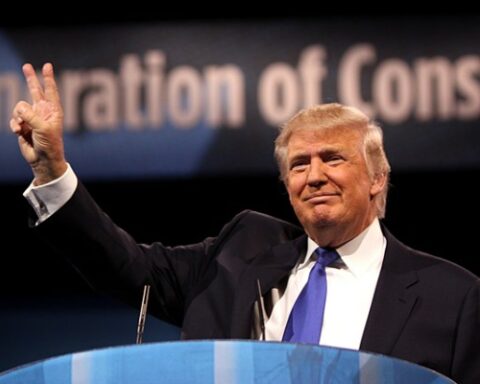
Speaking Thursday at the Conservative Political Action Conference in Texas, Gaetz struck a tone that balanced support for Donald Trump with a clear warning against deeper military involvement. While expressing trust in the president’s judgment, Gaetz emphasized that not every option on the table should be pursued.
“I want President Trump to have every diplomatic tool at his disposal, and I do trust that he knows a great deal more than I do,” Gaetz said. “But a ground invasion of Iran will make our country poorer and less safe.”
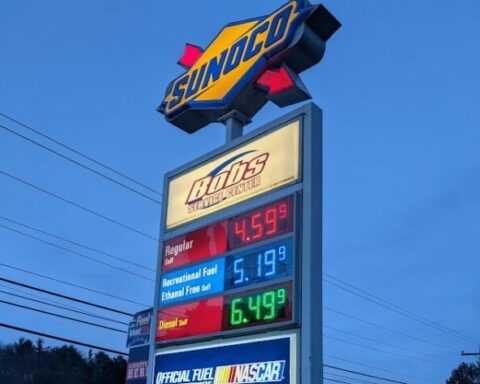
His concerns centered not just on military risks, but on the economic consequences that often follow prolonged conflicts. Gaetz warned that escalation could mean higher gas prices and rising food costs for Americans already feeling pressure from global instability. He also questioned whether such an intervention would ultimately reduce terrorism, suggesting instead that it could have the opposite effect.
“I’m not sure we’d end up killing more terrorists than we would create,” he added, highlighting a concern that has surfaced repeatedly in debates over past military engagements.
Gaetz’s remarks reflect a growing divide within Republican ranks as the conflict approaches the one-month mark. Some voices, particularly on the party’s far-right flank, have accused the administration of drifting away from its “America First” principles and becoming too entangled in overseas conflicts.
The former congressman has long positioned himself as a non-interventionist, consistently advocating for a reduced U.S. military footprint abroad. During his time in Congress, he pushed for troop withdrawals from regions like Somalia and Syria, and in 2020 supported a resolution aimed at limiting the president’s authority to conduct military strikes against Iran without congressional approval following the killing of Iranian General Qasem Soleimani.
Public sentiment appears to mirror some of that skepticism. Recent polling indicates that the idea of a U.S. ground invasion of Iran remains deeply unpopular, suggesting that many Americans are wary of another extended conflict.
For now, Trump has signaled that he does not intend to commit ground forces. However, the Pentagon is steadily increasing its presence in the region, deploying additional Marines, sailors, and paratroopers from the Army’s 82nd Airborne Division. The buildup comes as reports indicate the U.S. is considering expanded air and naval operations, including efforts to secure the Strait of Hormuz and potentially take control of Kharg Island — moves aimed at stabilizing energy markets amid rising prices.
The political stakes are also rising at home. Trump’s approval ratings have dipped since the U.S. and Israel launched joint strikes against Tehran on Feb. 28. A recent Fox News poll found that 64 percent of respondents disapprove of his handling of the conflict — a figure the president sharply criticized during an appearance on the Fox News program The Five, calling the polling “terrible.”
As debate continues, Gaetz’s warning underscores a broader tension: the desire to project strength abroad while avoiding the costly entanglements that have, in the past, weighed heavily on both the economy and national security.