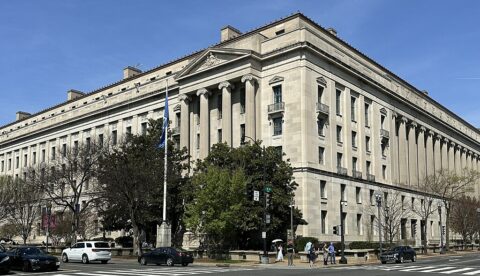
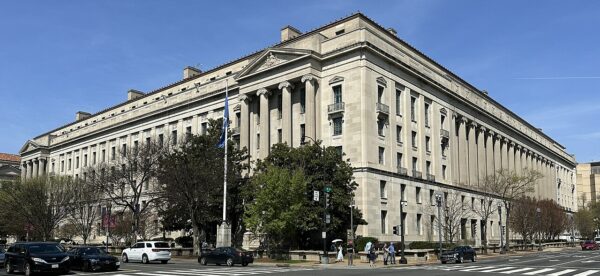
The Department of Justice is reportedly ramping up its investigation into skyrocketing beef prices, expanding its probe to include eight of the largest grocery chains operating in the United States.
The DOJ revealed this week on social media platform X that its Antitrust Division had sent formal letters to a lineup of retail giants demanding information on beef pricing practices. The companies now under scrutiny include Kroger, Publix, Walmart, Albertsons, Aldi, Ahold Delhaize USA, Costco and Amazon.
“Beef prices are a critical concern to Americans, and a priority for this Justice Department,” the department stated.
According to Newsweek, the letters were dated back in July and requested detailed records from the companies covering retail sales and pricing, cost structures, profit margins on beef products, internal analyses of market trends, and other beef-related business data.
The expanded investigation builds on an earlier probe into meat packers that the Antitrust Division launched after President Trump accused the industry of manipulating beef prices, according to Reuters. That scrutiny has already produced consequences, as Tyson Foods agreed earlier this year to settle a class action lawsuit for $82.5 million after grocers accused the company of intentionally restricting supply to artificially inflate beef prices nationwide.
Beef affordability has become an increasingly thorny issue for the Trump administration. In August, the president announced a temporary pause on beef import tariffs, aiming to bring cheaper meat into American markets and provide relief to consumers hit hard by rising grocery bills.
“As we work to rebuild this herd and help our ranchers, for the next 90 days, the United States will allow up to 300,000 metric tons of product for ground beef to be imported with no out of quota tariff,” Trump wrote on Truth Social on August 21.
He elaborated further on the reasoning behind the move at the time.
“We have a commitment that this beef will be sold at 25 percent below current market prices,” Trump wrote. “This deal will reduce prices for Americans while giving space for our Great American Beef Herd to grow again.”
The plan hasn’t been universally embraced, however. American cattle ranchers and a number of Republican lawmakers have pushed back hard against the tariff pause, arguing it undermines domestic producers even as it aims to help consumers. Senator Thom Tillis of North Carolina was among the most vocal critics, warning that the approach fundamentally misunderstands how agricultural markets function.
“If you think that providing subsidized beef for some period of time is going to make farmers happy and prices go down on a systemic basis, you’re wrong,” Tillis said. “It doesn’t happen.”
As the DOJ digs deeper into whether major grocers and meat packers have been artificially propping up beef prices, and as the Trump administration continues wrestling with how best to bring down costs for American families, the fight over the nation’s beef supply chain shows no signs of settling down anytime soon.