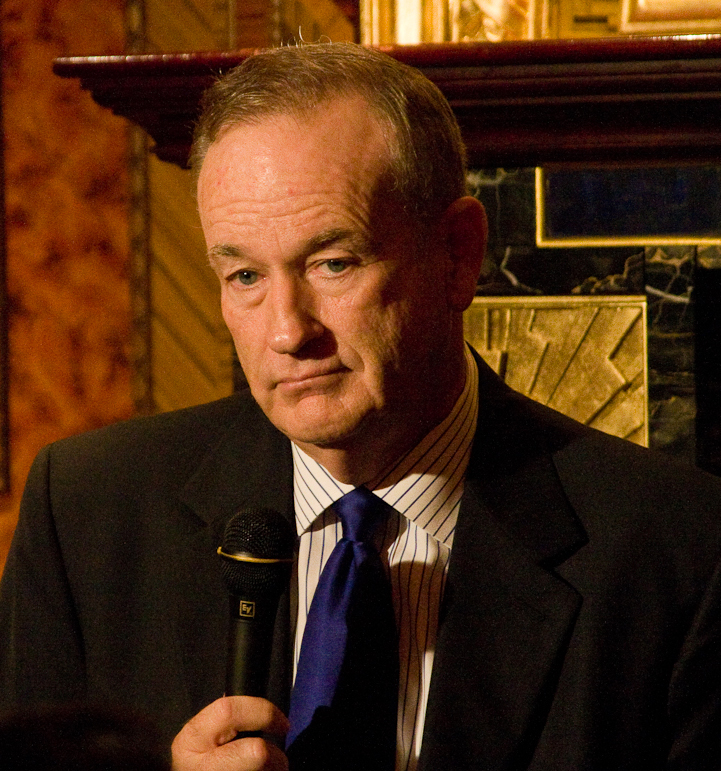
Veteran conservative commentator Bill O’Reilly is reversing course, saying he was “absolutely wrong” to previously defend late-night host Jimmy Kimmel, as tensions rise over political rhetoric in the aftermath of the White House Correspondents’ Association dinner shooting.
Speaking Wednesday on NewsNation during an appearance with Chris Cuomo, O’Reilly acknowledged that he had initially given Kimmel the benefit of the doubt following controversial remarks tying elements of the MAGA movement to the assassination of conservative activist Charlie Kirk. At the time, O’Reilly said he believed the comedian deserved some leeway, noting that “people make mistakes.”
But that position has now shifted sharply.
“I was wrong, absolutely wrong,” O’Reilly said, arguing that Kimmel’s pattern of commentary has crossed a line. He described the host’s remarks as “hate speech,” adding that what is presented as comedy no longer qualifies as satire in his view.
The renewed criticism comes after a joke Kimmel made during a taping of Jimmy Kimmel Live, in which he said first lady Melania Trump had the “glow” of an “expectant widow.” The comment aired just two days before Saturday’s shooting, in which a California man was charged in connection with the attempted assassination of President Donald Trump.
O’Reilly argued there is “no social redeeming quality” in repeatedly targeting the president and first lady in such a manner, framing the issue as part of a broader erosion of standards in political discourse. Earlier in the week, he had gone even further, saying Kimmel “shouldn’t be on the air” and accusing the host of using his platform primarily to attack Trump.
For his part, Kimmel pushed back on the criticism. Addressing the controversy on his show Monday, he characterized the remark as a “very light roast joke,” pointing to the age difference between the president and first lady. He rejected any suggestion that the joke could be interpreted as inciting violence, emphasizing that he has long spoken out against gun violence.
President Trump, however, took a far more critical stance, accusing Kimmel of making a “call to violence” and urging The Walt Disney Company, the parent company of ABC, to remove the host from the air.
The clash is the latest chapter in a long-running feud between Trump and Kimmel, one that has escalated over time as political divisions have deepened. The dispute intensified following Kimmel’s remarks about the reaction to the killing of Charlie Kirk, which led ABC to temporarily pull him off the air. Kimmel later apologized, and the show returned.
Meanwhile, scrutiny of Disney has grown on multiple fronts. Brendan Carr, chairman of the Federal Communications Commission, has previously warned of potential consequences for the company’s broadcast licenses. The FCC has launched an early review of several licenses tied to Disney-owned stations, though officials have not linked that process directly to Kimmel or his program.
The broader debate unfolding here extends beyond one comedian or one commentator. It touches on how rhetoric—whether from media figures or political leaders—can shape an already volatile environment. While strong opinions and sharp satire have long been part of American discourse, moments like this serve as a reminder that the tone of public conversation can carry consequences, especially in times marked by violence and unrest.
As O’Reilly’s reversal suggests, even longtime media voices are reassessing where the line should be drawn.
[READ MORE: Air Force Drone Deal Involving Trump Family Draws Scrutiny Amid Broader Military Push]