

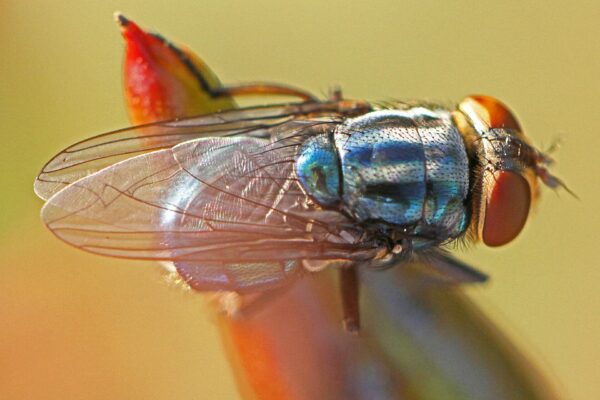
Federal and state officials are intensifying efforts to combat the return of the New World screwworm after the U.S. Department of Agriculture confirmed two additional cases of the flesh-eating parasite in Texas, marking a troubling development for ranchers, livestock producers, and wildlife managers across the state.
The USDA announced Monday that investigators identified one case involving an infested calf in La Salle County and a second case involving a dog in Andrews County. The discoveries come only days after authorities revealed that the parasite had reappeared in Texas for the first time in decades.
According to the agency, epidemiological investigations remain ongoing in both cases as officials work to determine how the infestations occurred and whether additional animals may have been exposed.
Early findings suggest the dog had recently traveled to Mexico, where New World screwworm flies were detected in 2024. That information is expected to play a key role in the ongoing investigation as federal and state authorities seek to trace potential pathways for the parasite’s reintroduction.
The latest discoveries bring the total number of confirmed New World screwworm detections to four, prompting an aggressive response from agricultural officials.
Dudley Hoskins, the USDA’s under secretary for marketing and regulatory programs, said the department is committed to eliminating the threat before it gains a stronger foothold.
The New World screwworm poses a serious danger because its larvae burrow into the living tissue of animals. The parasite threatens livestock and wildlife populations and can, in rare instances, affect humans as well.
For ranchers and livestock producers, the threat extends beyond animal health. Screwworm infestations can create significant economic challenges for agricultural operations, making containment and eradication efforts particularly important in a state where ranching remains a major industry.
The parasite was once a widespread problem in the United States before a successful eradication campaign eliminated it decades ago. The last major screwworm infestation occurred during the 1960s.
Researchers ultimately defeated the pest through an innovative strategy involving sterilized male screwworms. Because female screwworms mate only once during their lives, releasing sterilized males into affected areas resulted in infertile eggs and gradually collapsed the parasite population.
Officials are now turning to that same proven approach in hopes of stopping the current outbreak before it spreads further.
Texas Gov. Greg Abbott announced Monday that the state is escalating its response and deploying additional resources to support eradication efforts.
“I have activated the full use of all state resources to respond to the New World Screwworm threat,” Abbott said in a statement.
The governor emphasized the importance of protecting key sectors of the Texas economy, including ranching and livestock production, from the potentially damaging effects of the parasite.
“The protection of our ranchers, livestock producers, deer breeders, and the Texas economy from this pest is a top priority,” Abbott said.
Abbott also expressed confidence that the state can once again eliminate the threat through cooperation between state and federal authorities.
“We have eradicated this pest before, and we will do it again in close cooperation with our federal partners,” he said.
The governor urged Texans to remain vigilant as the response continues, encouraging animal owners to inspect livestock and other animals for wounds and immediately report any suspected cases.
As investigations continue and eradication efforts expand, officials are hoping swift action can prevent the parasite from regaining a foothold in Texas and protect the state’s agricultural industry from a pest that once posed a major challenge across the region.
[READ MORE: Judge Orders Ex-CIA Operative Accused in $40 Million Gold Theft Case to Remain Behind Bars]