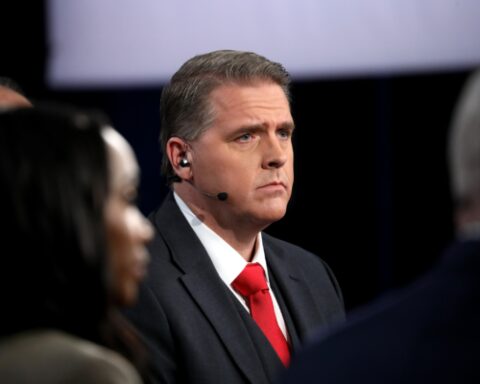

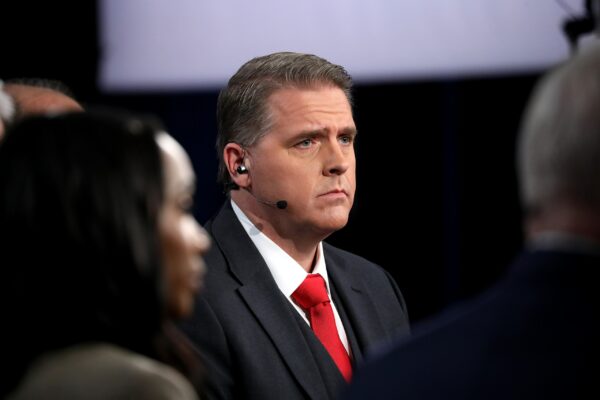
CNN commentator Scott Jennings, one of President Donald Trump’s most consistent defenders on cable television, expressed rare public reservations Monday about the administration’s newly announced Justice Department-backed compensation initiative, saying the nearly $1.8 billion program makes him feel “a little uncomfortable.”
The administration unveiled what it described as an “anti-weaponization fund,” a program that could distribute substantial compensation to individuals who were investigated or prosecuted during previous Democratic administrations. The announcement immediately sparked debate over government accountability, political retaliation, and how far Washington should go in addressing claims of prosecutorial abuse.
Acting Attorney General Todd Blanche said the initiative is connected to a settlement stemming from Trump’s $10 billion lawsuit against the IRS over the leak of his tax returns during his first term in office.
According to Jennings, the controversy surrounding the fund stems from legitimate concerns that federal agencies have, at times, unfairly targeted Americans. Speaking on CNN NewsNight, he defended the broader idea that citizens should have a pathway to seek damages if government power is abused against them.
“The question is, has anyone in the history of the United States ever been unfairly targeted by the Department of Justice? Of course they have,” Jennings said. “And there ought to be, just at a top line, a way for people to seek recourse if they have been unfairly targeted.”
Still, Jennings stopped short of fully endorsing the administration’s plan, voicing concerns about the scale of the program and the lack of congressional involvement in authorizing the money.
“All of this makes me a little uncomfortable because it’s a lot of money, and it didn’t go through the U.S. Congress,” Jennings said. “Number two, I don’t want to see a president necessarily handpicking people to get payments, where he could be accused of just picking people out who are political allies.”
The comments were notable given Jennings’ reputation as one of Trump’s strongest advocates in mainstream television news. His hesitation reflected broader unease, even among some conservatives, about balancing legitimate concerns over government overreach with fears that large compensation programs could become politicized.
Jennings pointed out that the issue originated with the leak of Trump’s tax returns, which he described as unfair and illegal. He noted that Trump himself would reportedly receive no money under the arrangement, but said the proposal had since expanded into a broader effort aimed at individuals who claim they were improperly targeted by federal authorities.
The discussion quickly turned to whether individuals connected to the January 6, 2021 Capitol riot — particularly those later pardoned — could potentially seek compensation through the fund.
Jennings drew a firm distinction between nonviolent defendants and individuals convicted of attacking police officers or engaging in violence at the Capitol.
“My personal view is anybody who committed documented violence against the government or against police officers, you know, they’ve not been unfairly treated,” Jennings said. “If they ended up being convicted of a crime because of the violence they committed, I got no real sympathy for them.”
At the same time, Jennings suggested he was more open to relief for individuals who may have been “swept up” or “over-prosecuted” despite not directly participating in violence.
“But I draw the line at violence,” he added.
Jennings ultimately reiterated that he supports the principle that Americans should have avenues to seek damages if federal power is abused. Yet his comments also highlighted the political and constitutional tensions surrounding efforts to address alleged government misconduct without creating new concerns about executive power, favoritism, or politically motivated payouts.
As debates continue over federal law enforcement, political prosecutions, and the lasting fallout from January 6, the controversy surrounding the administration’s compensation fund appears likely to become another flashpoint in the broader national argument over accountability, justice, and the limits of government authority.
[READ MORE: Trump Moves to Drop IRS Lawsuit as Questions Linger Over Tax Return Leak Fallout]