

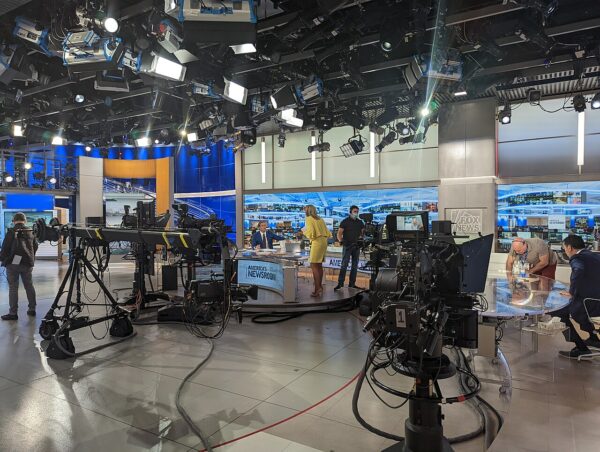
Fox News anchor Bill Hemmer raised concerns Monday morning that the United States could be entering another lengthy and potentially frustrating round of negotiations with Iran, questioning whether Tehran may be attempting to prolong talks following the recently announced memorandum of understanding between the two countries.
The agreement, reached over the weekend, establishes a 60-day period for technical negotiations aimed at developing a lasting peace arrangement between Washington and Tehran. While supporters view the framework as an opportunity to stabilize relations and prevent further conflict, questions remain about whether the negotiations can produce meaningful results within the allotted timeframe.
During a discussion on Fox News, Hemmer asked retired Army Gen. Jack Keane whether President Donald Trump risked being drawn into the kind of drawn-out diplomatic process that critics have long associated with dealings involving the Iranian government.
“This 60-day period, sir, if we reach it, this is precarious,” Hemmer said. “It’s tough stuff because Iran’s history is to get to that table and just drag this thing out — month after month and eventually year after year.”
Hemmer then posed the question directly.
“What do you think about us getting suckered back into a long, stalemated negotiation?”
Keane responded by pointing to recent events as evidence supporting concerns about delays.
According to Keane, discussions surrounding the reopening of the Strait of Hormuz had originally been expected to move much more quickly. Instead, he argued, negotiations stretched far beyond the initial timeframe that had been discussed.
“We went through a ceasefire because the discussion was that they would open the Strait of Hormuz in a two weeks’ timeframe,” Keane said. “And here we are now, 60-plus days, and finally that is going to happen.”
Keane argued that Iran had two primary objectives when it restricted access through the strategic waterway: stopping the war and extending negotiations. In his view, the second objective was successfully achieved.
At the same time, Keane expressed confidence that American negotiators understand the challenges involved. He said U.S. officials are fully aware of concerns about whether Iranian statements, commitments, and actions ultimately align.
“Our negotiators are certainly clear-eyed about what they’re dealing with here,” he said.
Keane stressed that any future negotiations should avoid becoming open-ended. He suggested that specific goals, benchmarks, and timelines should guide the process to ensure that talks remain focused and productive.
His comments reflected a broader concern often raised in foreign policy debates: that negotiations without clear deadlines can become prolonged indefinitely while underlying disputes remain unresolved.
Keane also suggested that Iranian leaders may be calculating political factors in the United States as negotiations continue. He argued that some may believe the approach of midterm elections could reduce the likelihood of future military action by the Trump administration.
However, Keane pointed to Trump’s recent decisions as evidence that the president remains willing to act if he believes it is necessary.
“He said he’s willing to do it again,” Keane noted.
Still, Keane emphasized that any final agreement must include mechanisms for enforcement and compliance. In his view, a successful deal cannot rely solely on promises or signatures but must contain ways to ensure that commitments are actually carried out.
As negotiations enter the newly established 60-day window, the debate highlighted by Hemmer and Keane underscores the challenge facing both sides: balancing the hope for a lasting agreement with concerns that prolonged diplomacy could simply postpone difficult decisions. For supporters of peace, the goal is a durable resolution. For skeptics, the key question remains whether the negotiations will lead to concrete results or merely extend an already lengthy process.
[READ MORE: DOJ Clears Massive Paramount-Skydance Merger, Setting Stage for Major Media Shakeup]