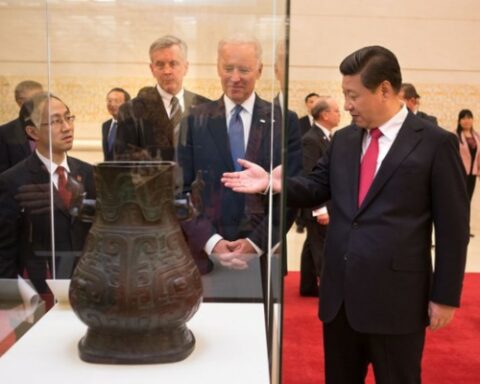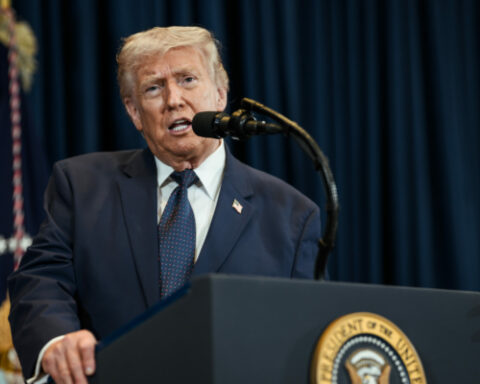

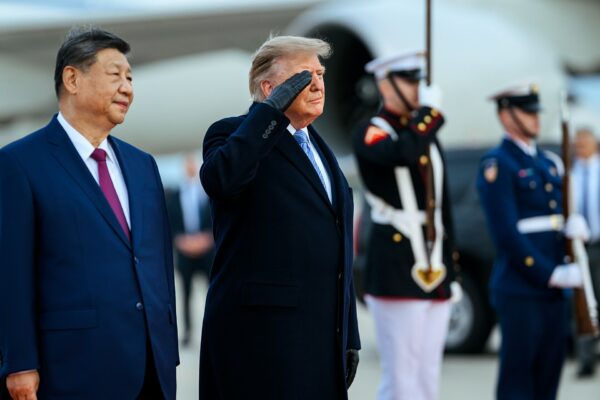
The United States and China have each unveiled $30 billion worth of products that will face lower tariffs, the White House announced, following last week’s meeting between President Donald Trump and Chinese President Xi Jinping in Washington.
The deal falls under a new “30-by-30” framework. According to a list of imports released by the White House, Chinese products set to see reduced tariffs include fireworks, kitchenware, flashlights, baseballs and softballs, and fishhooks.
Had the lower tariffs been in effect last year, nearly 10% of U.S. imports from China would have been covered, according to data from the U.S. Census Bureau.
On the other side of the ledger, American businesses shipped nearly $106 billion worth of goods to China in 2025. That means the reduced tariffs would have applied to roughly 30% of U.S. exports to the country.
Agricultural goods make up the majority of U.S. exports to China covered by the lower tariffs, CNBC reported.
U.S. Trade Representative Jamieson Greer said Sunday the framework is a “direct result of the strong relationship” between Trump and Xi.
The two leaders met last week during Xi’s first state visit to the United States since 2015.
The Washington summit served as a follow-up to Trump and Xi’s meeting in Beijing in May. During that meeting, the two leaders agreed to create a U.S.-China “Board of Trade” focused on noncritical items.
In a statement, Greer praised the president for opening doors for American exporters.
“From agricultural products to medical devices, President Trump is unlocking improved market access for about 30 percent of U.S. exports to China,” Greer said.
The trade representative added that the deal also benefits American consumers through imports from China of household goods, toys and other products that the United States generally does not import from other countries.
Greer said the administration “will continue to pursue fair, balanced, and reciprocal trade” with China.
The announcement marks a notable development in trade relations between the world’s two largest economies following a pair of high-profile meetings between Trump and Xi this year.
The framework puts an equal dollar amount on each side, with both Washington and Beijing identifying $30 billion worth of goods to receive lower tariffs.
For American farmers, the agreement could prove especially significant, given that agricultural products account for most of the U.S. exports to China included in the deal.
Meanwhile, the list of Chinese goods covered by the framework largely features everyday items, from kitchenware and flashlights to sporting goods like baseballs and softballs.
Greer credited the relationship between the two leaders for making the framework possible, pointing to the progress built from their May meeting in Beijing through last week’s summit in Washington.
Even as the administration touts the new deal, Greer’s office has kept pressure on Beijing in other areas. The Office of the U.S. Trade Representative has investigated Chinese labor practices under Section 301 of the Trade Act of 1974.
The administration has made clear it intends to keep pushing for what Greer described as fair, balanced and reciprocal trade with China moving forward.